
It is a test for families, caregivers, healthcare and social systems – and above all for our ability to deal with vulnerability and aging with dignity.
Facts that cannot be ignored:
• Globally, tens of millions of people are living with dementia, and millions of new cases are diagnosed each year.
• In the EU alone, it affects millions of people – and with demographic trends, the numbers will continue to rise.
When public figures speak openly about dementia, it often helps to:
reduce stigma and taboo,
increase willingness to seek help,
make the reality of caregiving – which is often invisible – more visible.
What does “social responsibility” mean in practice?
Talking about dementia without sensationalism or labels (and explaining the differences – dementia ≠ a single disease).
Supporting caregivers: workplace flexibility, respite services, counseling, and community support.
Creating dementia-friendly environments (clear signage, patient communication, trained staff).
Supporting research – while remaining realistic and fair in expectations.
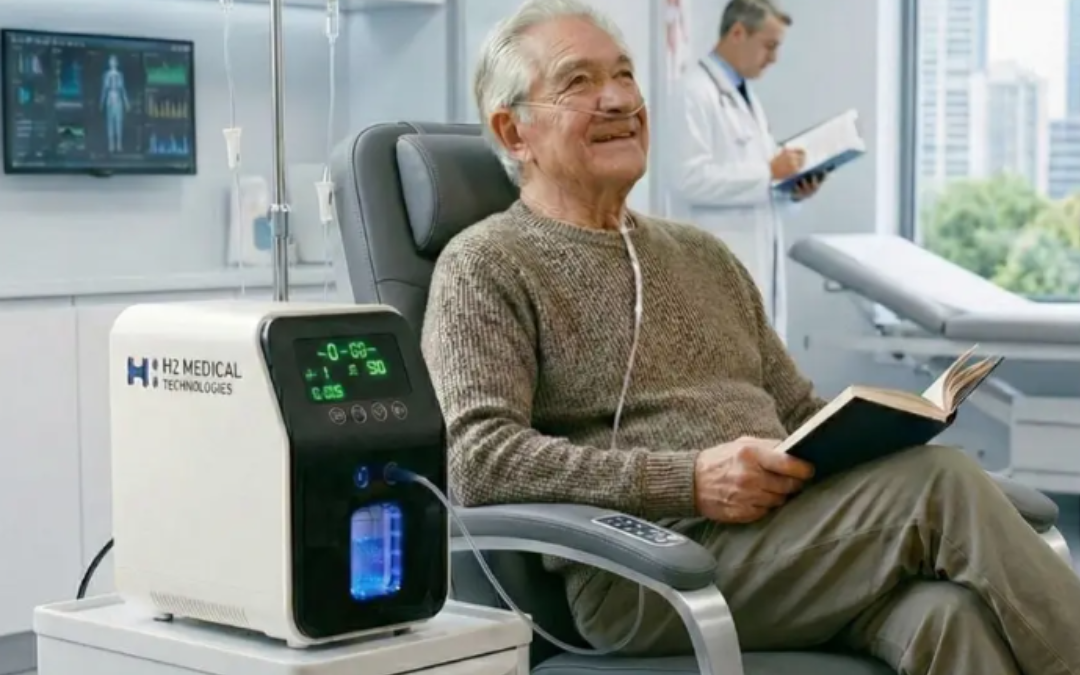
In the Czech Republic, further clinical research is also underway (including a clinical study in Ostrava focused on the safety of non-invasive inhalation of molecular hydrogen in people with mild cognitive impairment, which often precedes Alzheimer’s dementia).
You can find the article below and also in the comments. If it resonates with you, feel free to share it – perhaps with someone who is caring for a loved one.